Dependable Pest Control Strategies: Maintain Your Home Pest-Free All Year
Preserving a pest-controlled home necessitates a strategic plan. Common pests invade for various motives, such as food sources and shelter. Successful preventative measures have a important function in holding these unwanted visitors at bay. Rapid actions to pest emergencies can make a notable difference. Understanding the balance between homemade solutions and chemical treatments is fundamental. Yet, many residents overlook the nuances of ongoing care and inspection. What steps can be taken to assure long-term effectiveness?
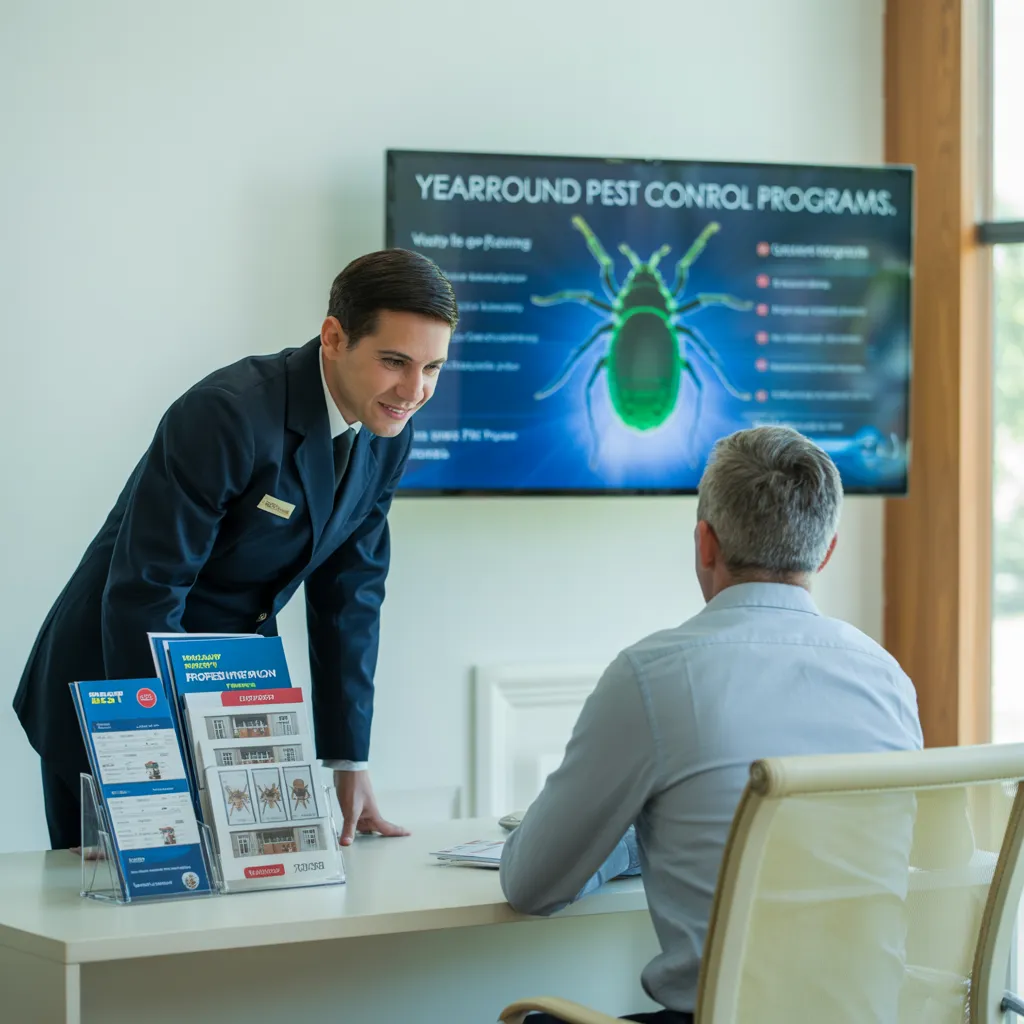
What Pests Are Prevalent and Why They Invade Your Home?
What causes pests to intrude homes? Different factors captivate common pests, including rodents, ants, and cockroaches. Food sources, such as crumbs and spills, prove to be considerable lures, providing easy access to sustenance. Additionally, moisture is a critical factor, with damp areas in kitchens and bathrooms creating favorable conditions for infestations.
Shelter serves as a essential component; insects search out small openings and disorganized areas to build homes and take shelter from predators. Weather variations can intensify these invasions, especially during colder months when insects seek warmth.
Particular terrains, like gardens and overgrown vegetation, can further attract pests, offering both food and protection. Recognizing these reasons helps homeowners understand the importance of maintaining a neat, dry, and well-sealed environment to discourage unwanted guests. By tackling these factors, the likelihood of pest invasions can be considerably minimized.
Effective Preventative Solutions to Prevent Pests Out
To successfully keep pests at bay, individuals should concentrate on closing access routes, maintaining a clean environment, and performing routine checks. These preventive actions establish defenses that deter pests from entering homes and establish a less inviting habitat. Applying these methods can significantly decrease the probability of pest problems.
Seal Entry Points
Sealing openings is an important step in effective pest control because it greatly lessens the chance of infestations. Pests frequently enter houses through minor cracks and fissures in walls, windows, and doors. Homeowners must carry out a comprehensive inspection to spot vulnerable spots such as utility lines, vents, and foundation cracks. Employing materials such as caulk, weather stripping, and mesh screens can successfully block these entry points. Ongoing maintenance is necessary since wear and tear may cause new openings. By adopting proactive measures to seal entry points, homeowners can dramatically reduce the risk of pests entering their living spaces, promoting a healthier and comfortable environment.
Sustain a fresh setting
A clean environment acts as a effective shield against pests, markedly reducing the chances of infestations. Regular cleaning practices, such as vacuuming and dusting, eliminate food particles and potential nesting sites, making homes unappealing to insects and rodents. Proper waste management is important; storing garbage in secure containers prevents pests from being drawn towards odors. Additionally, cleaning spills and crumbs right away deters pests from establishing a presence. Thought should also be given to outdoor areas; maintaining gardens and yards, such as trimming overgrown plants, can discourage pests from entering the home. By fostering a consistently clean environment, homeowners can greatly enhance their pest prevention efforts, producing a less hospitable atmosphere for unwanted intruders throughout the year.
Standard Inspections Mandatory
It is essential to keep a neat environment, and regular inspections are just as important in preventing pest infestations. Homeowners should perform in-depth inspections of both indoor and exterior spaces, focusing on common problem areas such as basements, attics, and the vicinity of windows and doors. Such inspections assist in identifying early signs of pest presence, like droppings or damaged materials. Moreover, seasonal inspections can reveal weaknesses caused by changing weather conditions, allowing for prompt interventions. Utilizing professional pest control services for comprehensive evaluations can further enhance preventive measures. By making a priority of regular inspections, individuals can protect their homes and ensure a proactive approach to pest management, greatly reducing the probability of an infestation forming.
Instructions to Respond Rapidly to Pest Emergencies
When pest situations occur, accurate identification of the pest is critical for proper management. Pinpointing the pest species allows for the implementation of specific pest control. Immediate response not only alleviates damage but also inhibits future pest occurrences.
Recognize The Pest Swiftly
What is the best way for homeowners to properly respond to pest problems? The first step is to quickly identify the pest. Recognizing the particular pest aids targeted action and stops further infestation. Homeowners should note key traits such as size, color, and behavior, also recording the location of the pest. Utilizing online tools or pest identification apps can help this task. Additionally, keeping a pest journal supports tracking sightings and patterns, making it easier to find recurring issues. When unsure, consulting a pest control expert can provide clarity and professional insight. Rapid identification assists not only immediate responses but also informs prevention plans, ensuring a pest-free environment throughout the year.
Execute Immediate Restraint Measures
Responding promptly is vital when a pest emergency occurs. Immediate control measures can greatly lessen damage and minimize health risks. First, evaluate the situation to determine the type of pest and infestation level. This evaluation guides the choice of suitable treatment methods. For insects like ants or cockroaches, traps or insecticides can be used swiftly. In situations with larger pests such as rodents, sealing entry points and setting traps is important. It’s vital to practice safety by using protective gear when handling chemicals. If the infestation is severe, calling a professional pest control service is advisable. Quick response not only tackles the immediate danger but also prevents pests from becoming a ongoing problem.
Selecting Between Organic Solutions and Synthetic Pesticides for Pest Control
When facing insect control issues, should homeowners select natural remedies or chemical treatments? This choice often is based on personal preferences, success, and environmental concerns. Natural remedies like diatomaceous earth, essential oils, and vinegar solutions attract those who prefer natural options. They tend to be more safe for children and pets, though they may require more frequent uses and can offer less strength compared to chemical solutions.
Conversely, chemical treatments, such as pesticides and rat poisons, often offer immediate and effective outcomes. Nevertheless, they can pose health risks and might cause pests to develop resistance over time. Homeowners should evaluate the pros and cons of each approach, taking into account factors like the severity of the infestation, the presence of vulnerable individuals in the home, and long-term sustainability. In the end, a combined approach that uses both techniques could produce the best results helpful resource for maintaining a pest-free environment.
When Should You to Call a Pest Removal Expert?
Figuring out the right moment to phone a pest control specialist can considerably affect the success of pest control efforts. Homeowners should think about phoning a expert when they notice evidence of an pest problem that exceeds their capacity to manage, such as a significant presence of rats and mice or pests. Moreover, if do-it-yourself solutions prove ineffective to deliver outcomes after a reasonable timeframe, it may be time to seek professional help.
A key factor is the potential health threats tied to specific pests. For illustration, termites can produce structural damage, while cockroaches may trigger allergies or asthma. In addition, if pests are observed in delicate areas like kitchens or bedrooms, expert action is advisable. Finally, if the pest problem is relentless or repeating, an expert can supply a all-encompassing assessment, guaranteeing a extended solution rather than quick-fix relief. Catching these situations without delay can lead to a more effective and potent pest control plan.
Year-Long Advice for Maintaining a Pest-Control Home
Upon understanding when to seek experienced pest management help, property dwellers can utilize protective actions to maintain a pest-resistant home on an ongoing basis. Periodic evaluations are vital; checking for traces of pest invasion, such as droppings or nesting sites, can help catch problems at the start. Fill any fractures or openings in walls, windows, and doors to eliminate undesired pests from entering. Preserving hygiene is critical; rapidly cleaning food remnants and keeping food in hermetic storage can deter bugs and vermin.
Seasonal duties are important. In spring, homeowners need to clear debris from yards and cut back overgrown shrubs. In fall, ensuring gutters are clean and downspouts lead water away from the foundation can minimize moisture, which draw pests. Finally, utilizing natural deterrents, such as essential oils or diatomaceous earth, offers a reliable, eco-friendly approach to pest management. By using these techniques, homeowners can greatly decrease their risk of infestations year-round.
Regularly Requested Questions
In What Manner Do Weather Changes Alter Pest Activity Inside Structures?
Environmental shifts substantially influence indoor pest activity. Warmer temperatures may elevate insect breeding, while humidity can facilitate infestations. Conversely, colder conditions often push pests indoors, seeking shelter and food, thereby magnifying indoor pest problems.
Do Animals Pull in Pests Into Your Home?
Pets can certainly attract pests into the home. Their fur, food, and waste often serve as lures for fleas, ticks, and rodents, raising the likelihood of infestations if not properly managed and controlled.
What Part Does Landscaping Have in Pest Control?
Proper plant selection, regular maintenance, and strategic placement are key tools for pest control by shaping habitat suitability. These landscaping practices can prevent pests from settling in, remove shelter options for pests, and boost populations of beneficial insects, ultimately promoting overall environmental wellness.
Do Certain Times of Year See Increased Pest Activity?
Pests are typically more active during warmer months, chiefly spring and summer, when warmth builds and provisions are copious. Fall may demonstrate increased activity as species ready themselves for winter, obtaining shelter and sustenance.
What Steps Can I Take to Determine the Source of My Insect Situation?
To discover the origin of a pest problem, it is important to examine potential entry points, examine areas where food is stored, and check for signs of infestation such as droppings or nests, to find the infestation's starting point.